
MPN Tech provides specialised support for ball grid array rework, helping restore functionality and reliability in complex electronic assemblies. Our approach to BGA soldering focuses on precise component handling, controlled reflow, and accurate alignment, ensuring secure connections while minimising impact on surrounding components during repair or rework.
What Is Ball Grid Array Rework and BGA Soldering?
Ball grid array rework and BGA soldering are specialised processes used to repair, replace, or restore connections on BGA components, where solder joints are located beneath the chip rather than around its perimeter. These processes are commonly required when faults arise due to thermal cycling, mechanical stress, ageing, or manufacturing defects.
Although closely related, each process serves a different purpose within electronics repair and assembly:
- Ball Grid Array Rework involves removing an existing BGA component from the PCB, cleaning and preparing the solder pads, and reinstalling either the original component or a replacement. This process is used to address failed solder joints, misalignment, or component-level defects while preserving the surrounding circuitry.
- BGA Soldering refers to the controlled reflow process that forms reliable solder joints between the BGA component and the PCB. It is applied during initial assembly or as part of ball grid array rework to ensure each solder ball bonds correctly and consistently to the board.
Both processes require accurate temperature profiling, precise placement, and thorough inspection to maintain board integrity. When performed correctly, ball grid array rework and BGA soldering help extend the service life of electronic assemblies and restore stable electrical performance without full board replacement.
Our Ball Grid Array Rework and Reballing Process
MPN Tech follows a controlled, step-by-step approach to ensure ball grid array rework and reballing are carried out with accuracy and minimal risk to surrounding components. Each stage is designed to restore reliable connections while maintaining overall board integrity.
Initial Inspection and Fault Assessment
The process begins with a detailed inspection to identify solder joint failures, alignment issues, or component-related defects. This assessment helps determine whether rework, reballing, or full component replacement is required.
Controlled BGA Component Removal
Pad Cleaning and Site Preparation
Reballing of the BGA Component
Component Reattachment and Reflow
Inspection and Functional Verification
Our BGA Soldering Process
Board and Component Preparation
Solder Paste Application
Precise Component Placement
Controlled Reflow Soldering
Cooling and Stress Management
Post-Soldering Inspection
Our Ball Grid Array Rework Capabilities
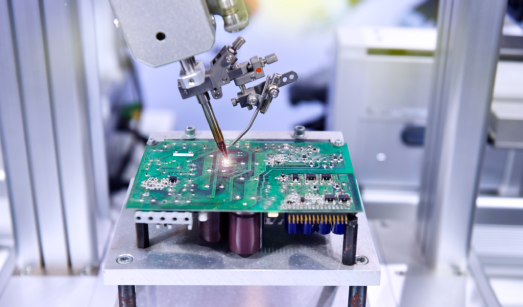
Automated Reballing Services
Automated reballing is used to restore uniform solder ball size and placement on BGA components. This helps improve consistency and reduces variability during reinstallation and reflow.
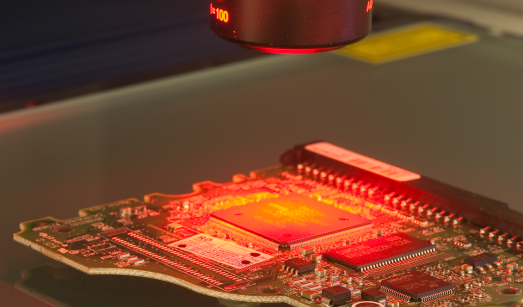
Custom Thermal Profiling
Thermal profiles are tailored based on board thickness, component type, and material composition. Custom profiling helps control heat exposure and reduces the risk of pad damage or component stress during rework.
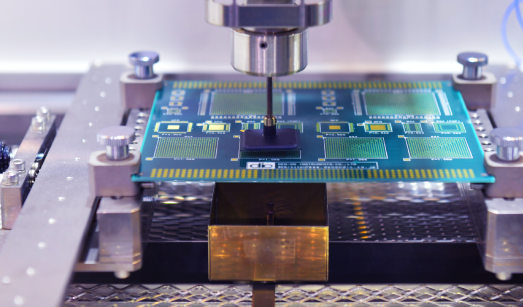
X-Ray and AOI Inspection
X-ray and automated optical inspection are used to evaluate solder joints that are not visible from the surface. These inspection methods help identify voids, bridging, or alignment issues after rework or soldering.
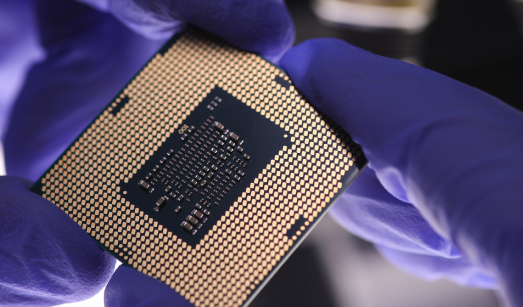
Small-Volume Prototyping and High-Volume Rework
Support is available for both small prototype batches and larger rework volumes. This flexibility allows teams to address isolated failures or broader quality issues without changing processes or vendors.
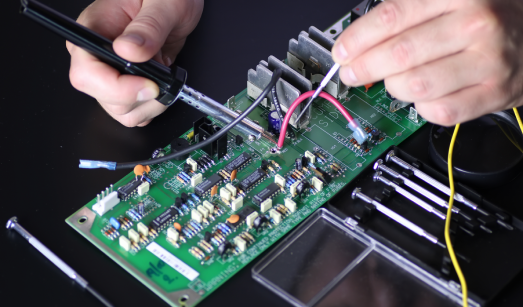
Trace and Pad Repair for Damaged PCBs
Damaged traces or lifted pads can be repaired as part of the rework process. These repairs help restore electrical continuity and allow boards to remain usable rather than being fully replaced.
Industries We Support
MPN Tech supports a range of industries that rely on ball grid array rework and BGA soldering to maintain functionality, extend product life, and reduce unnecessary board replacement. Each industry is supported with processes aligned to its operational and reliability requirements.
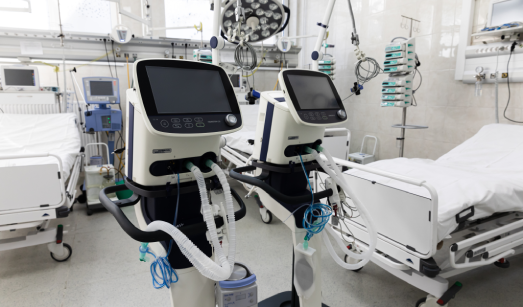
Medical Devices
Medical devices often involve compact, high-density electronics where BGA components are common. Rework services help address solder joint failures or component issues while preserving sensitive boards used in diagnostic and monitoring equipment.

Military and Aerospace Electronics
Military and aerospace systems require high reliability under demanding conditions. Ball grid array rework supports repair and recovery of complex boards while maintaining strict alignment and inspection standards.

Telecommunications
Telecommunications infrastructure relies on stable signal transmission and continuous uptime. BGA rework and soldering services help restore failed connections in network equipment and communication modules.
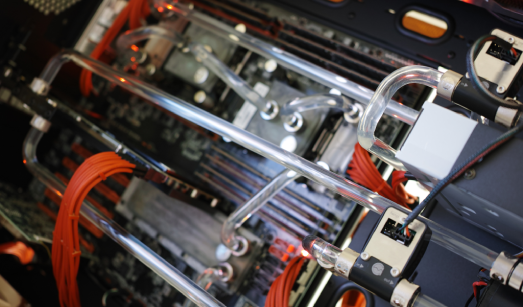
Automotive ECU Modules
Automotive electronic control units are exposed to vibration and thermal cycling that can stress solder joints. Rework services support fault resolution and extend the service life of ECU boards.
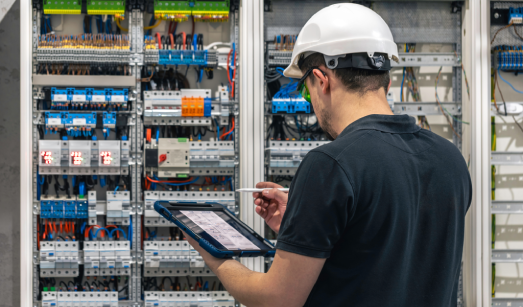
Industrial Control Systems
Industrial control electronics often operate continuously in harsh environments. Ball grid array rework helps correct connection failures without full system replacement, supporting operational continuity.

Consumer Electronics Prototyping
Prototype and early production consumer electronics frequently require design adjustments or component replacement. Rework services support fast iteration and refinement during development cycles.
Why Choose MPN Tech for Ball Grid Array Rework and Soldering
MPN Tech provides focused expertise in ball grid array rework and BGA soldering, helping organisations recover complex boards with care and technical precision. Our approach prioritises controlled processes, skilled handling, and practical outcomes.
IPC-Certified Rework Technicians
Rework is carried out by technicians trained to IPC standards, supporting consistent workmanship and adherence to recognised industry practices. This helps ensure rework is performed with appropriate control and documentation.
Custom Jigs for Complex Board Handling
Custom fixtures and jigs are used to support boards with unusual shapes, sizes, or component density. These tools help stabilise assemblies during rework and reduce mechanical stress on sensitive areas.
High Success Rate for Salvaged Components
Controlled removal, reballing, and reattachment processes help maximise the chances of successfully salvaging BGA components. This can reduce replacement costs and lead times for hard-to-source parts.
Quick Turnaround for Urgent Repairs
Rework workflows are structured to support urgent repair requirements where possible. This helps minimise downtime and supports faster recovery for critical systems.
Cost-Effective Alternative to Full PCB Reassembly
Ball grid array rework offers a practical alternative to full board replacement or reassembly. It allows faulty components or solder joints to be addressed directly, reducing waste and overall repair costs.
Frequently Asked Questions
What is ball grid array rework used for?
Ball grid array rework is used to repair or replace BGA components on a PCB when solder joints fail or components become defective. It allows targeted correction without replacing the entire board, which helps reduce cost and downtime. This process is commonly applied in high-density and high-value electronic assemblies.
 MPN Tech