
Flex PCB vs Ribbon Cable: Which is Better for Compact Designs?

When designing compact electronic systems, the choice of interconnect solution has a direct impact on space efficiency, reliability, and long-term performance. Engineers working on modern devices often compare two common options: flexible printed circuit boards (PCBs) and ribbon cables. Both are widely used to manage internal connections in space-constrained designs, but their strengths differ depending on the application context and operating conditions.
PCB CTE Values Explained: Why Should You Avoid CTE Mismatch?
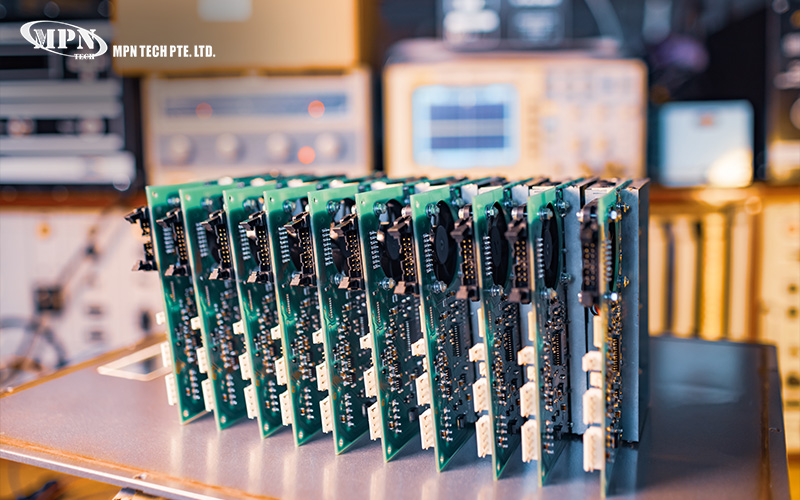
When designing printed circuit boards for prototyping, manufacturing, or research applications, material behaviour under heat is often overlooked. One material property that has a direct impact on long-term reliability is the Coefficient of Thermal Expansion, commonly referred to as CTE. As every material has its own CTE value, differences in expansion behaviour can arise when multiple materials are bonded together within a PCB structure. This article explains what the values mean in practical terms and why managing CTE mismatch is important in reliable PCB design.
 MPN Tech