
Key Takeaways:
How Do the Different Types of PCBs Compare?
- Single-sided PCBs are simple and cost-effective for basic electronic designs.
- Double-sided PCBs offer more routing space and improved circuit density.
- Multi-layer PCBs support complex circuits with enhanced performance and shielding.
- Flexible PCBs allow bending and folding for compact, adaptable device layouts.
- Rigid-flex PCBs combine strength and flexibility for space-constrained applications.
- HDI PCBs enable miniaturised, high-performance electronics with dense component layouts.
Introduction
Printed Circuit Boards (PCBs) are the foundation of virtually every electronic device, from the simplest gadgets to cutting-edge medical and aerospace technology. Acting as both the mechanical base and the electrical backbone, PCBs provide essential connectivity between components. But did you know there are multiple types of PCBs, each tailored to specific functions and environments?
This article outlines the most common types and their applications. Read on to understand different structures and materials so you can select the right configuration.
What are the Different Types of PCBs?
1. Single-Sided PCBs
The type of PCB is in the simplest form, featuring components on one side and copper traces on the other. These boards are easy to design and cost-effective to manufacture, making them ideal for low-complexity electronics such as LED lighting systems, radios, and calculators.
Use Case: Basic consumer electronics and entry-level academic projects.
2. Double-Sided PCBs
With copper traces and components on both sides, double-sided PCBs allow for more intricate routing than their single-sided counterparts. This design improves circuit density while keeping board size compact. These features work best in power supplies, test equipment, and industrial controls.
Use Case: Moderately complex circuits where space-saving is essential.
3. Multi-Layer PCBs
As the need for performance and miniaturisation grows, multi-layer PCBs have become the go-to solution. This type of PCB consists of three or more conductive layers stacked and laminated together. Users can benefit from the sophisticated routing, enhanced signal integrity, and electromagnetic shielding. On a side note, advanced PCB materials for circuit design, including FR-4, polyimide, or PTFE, are often chosen for multi-layer boards to handle thermal and electrical demands efficiently.
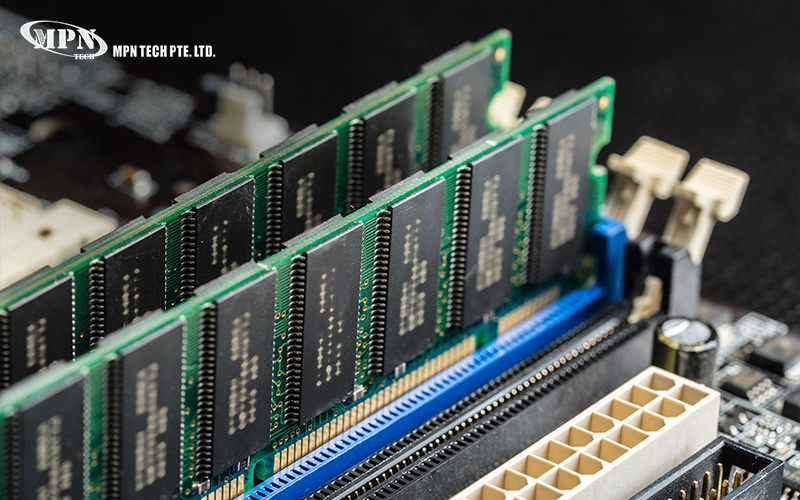
Use Case: Computers, smartphones, routers, and high-speed processing systems.
4. Flexible PCBs (Flex PCB Board)
Built from flexible plastic substrates like polyimide, Flex PCB boards can bend, twist, or fold during use. These lightweight and adaptable boards open up design possibilities for compact and dynamic devices. This type of PCB is well-suited for compact electronic devices that demand both flexibility and space efficiency.
Use Case: Wearable electronics, foldable smartphones, medical imaging equipment
5. Rigid-Flex PCBs
Combining the best of both rigid and flexible designs, rigid-flex PCBs provide structural stability in some areas and flexibility in others. This hybrid configuration reduces the need for connectors and cables, improving signal reliability and product durability. Applications of flexible and rigid-flex PCBs are widespread in aerospace, medical, and automotive industries.
Use Case: Devices requiring high reliability and intricate form factors, such as implantable medical equipment and military-grade electronics.
6. HDI (High-Density Interconnect) PCBs
HDI PCBs should be considered when performance and size constraints can’t be compromised. This high-density PCB design for electronics features tighter spacing, finer lines, and smaller vias. It is vital for modern devices that need to be both compact and powerful.
Use Case: Smartphones, tablets, GPS devices, and high-speed communications hardware.
How Can MPN Tech Support Your PCB Projects?
The growing diversity of PCB solutions for compact electronic devices reflects the rapid pace of technological advancement. From flex PCB boards to rigid-flex PCBs, choosing the right types of PCBs depends on your application’s space constraints, complexity, and performance requirements.
Whether you’re a student designing a prototype or a researcher developing next-gen tech, sourcing quality boards is critical. At MPN Tech, we’re committed to supporting engineers, educators, and students with advanced PCB insights and reliable PCB fabrication in Singapore.
Contact us and let us deliver precision-built electronics with fast turnaround times.
 MPN Tech