
Key Takeaways:
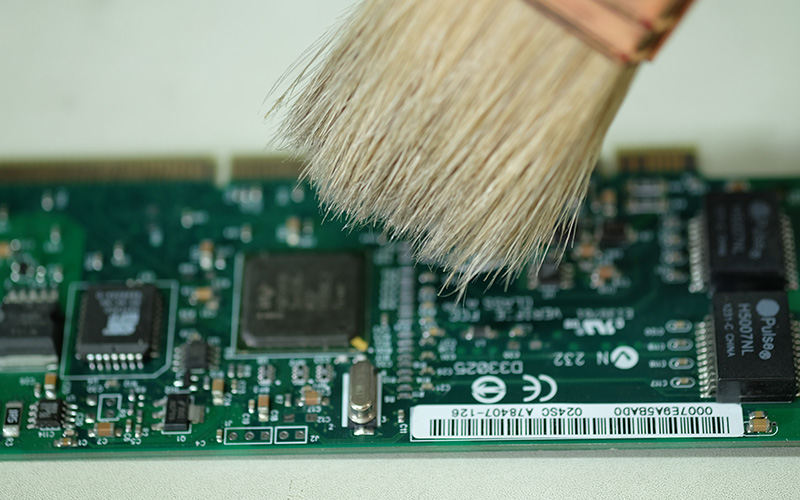
PCB cleaning helps remove contaminants that can affect electrical performance, coating adhesion, inspection quality, and long-term reliability.
Common contaminants include flux residue, ionic contamination, dust, particles, oils, and handling residue.
Modern cleaning methods need to account for compact components, tighter spacing, solder chemistry, board density, and component sensitivity.
Introduction
As electronic products become smaller and more densely assembled, Printed Circuit Board (PCB) cleaning has become a more important part of manufacturing quality control. Modern boards often use fine-pitch components, Ball Grid Array (BGA), Quad Flat No-Lead (QFN), and low-standoff packages, creating tight or hidden areas where contaminants are harder to remove and inspect.
While these contaminants may not cause immediate failure, they can affect PCB performance, processing quality, and long-term reliability. For this reason, selecting a suitable cleaning method requires more than removing visible residue. Factors such as board design, component sensitivity, soldering process, and operating environment should also guide the approach.
Why PCB Cleaning Matters in Manufacturing
Cleaning helps remove contaminants that may interfere with electrical performance or downstream manufacturing processes. Some residues may appear harmless during initial testing but become more problematic when exposed to humidity, heat, voltage, or prolonged operation.
Effective cleaning also supports clearer inspection and subsequent processes such as conformal coating. Residues left on the board can obscure soldering defects, interfere with coating adhesion, or contribute to PCB contamination in hard-to-access areas. For higher-reliability products, cleaning is a key part of the wider quality-control process. It helps reduce hidden contamination risks before the board moves into coating, testing, or final assembly.
Common Contaminants Found on PCBs
PCBs can pick up different types of contamination during soldering, handling, assembly, and storage. Understanding the source and behaviour of these contaminants helps determine the most suitable cleaning and inspection approach.
- Flux Residue: Leftover flux can trap moisture or interfere with coating, inspection, and overall board cleanliness.
- Ionic Contamination: Residues from soldering, process chemicals, handling, or rinsing may contribute to corrosion or unwanted conductive paths.
- Dust and Particles: Fibres and loose particles can settle on the PCB and affect contact surfaces, inspection, or coating quality.
- Oils and Handling Residue: Fingerprints and oils can reduce surface cleanliness and interfere with bonding, coating, or later processing.
How the Cleaning Approach Has Evolved
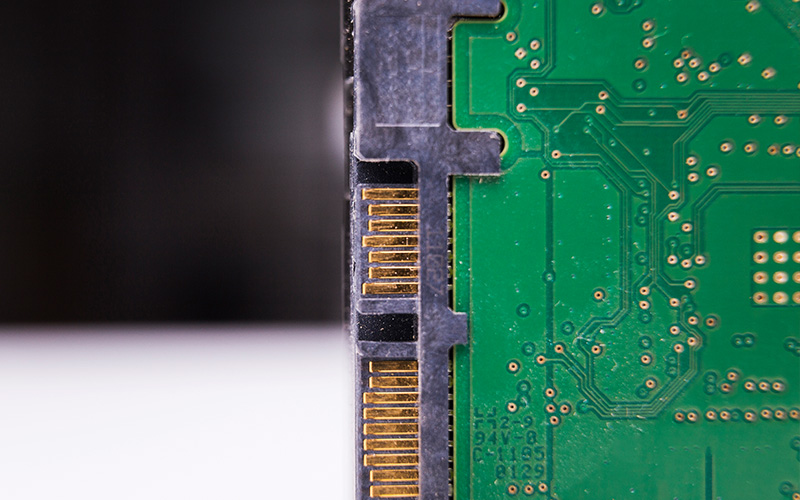
Traditional cleaning often focused on removing visible flux and debris after soldering. Modern manufacturing requires a more targeted approach because residues may remain beneath compact components or between tightly spaced conductors.
Today, cleaning decisions consider solder chemistry, package geometry, component sensitivity, board density, and end-use requirements. During a PCB prototype project, reviewing cleaning requirements early gives businesses an opportunity to refine the process before scaling production. This approach to residue control helps match the cleaning method to practical risks such as trapped flux beneath low-standoff components and ionic residue around fine-pitch conductors.
Key Innovations in PCB Cleaning
Newer cleaning methods aim to improve consistency, reach tight or hidden areas, and remain compatible with compact PCB assemblies. They also help manage different residues without affecting sensitive components or downstream processes.
- Aqueous Cleaning Systems: Use water-based chemistry with controlled pressure, temperature, rinsing, and drying to remove flux residue consistently.
- Precision Spray Cleaning: Targets difficult areas such as fine-pitch leads, low-clearance parts, and dense component clusters with controlled spray pressure.
- Ultrasonic Cleaning: Uses high-frequency agitation in a liquid bath to reach narrow gaps and complex surfaces, provided the assembly can tolerate the process.
- Vapour Degreasing: Uses solvent vapour to remove oils and residues from compatible PCB assemblies without affecting sensitive materials.
- Plasma Cleaning: Removes fine organic contamination and improves surface preparation before bonding, coating, or encapsulation.
Choosing the Right Cleaning Method
The right cleaning method depends on the contamination present, board design, soldering process, and other project requirements. Considering these factors helps determine which approach can remove residue effectively without affecting components or later production stages.
Soldering Process and Flux Type
Different flux chemistries leave different residues. The cleaning process should therefore be compatible with the flux used and able to remove it effectively without damaging the PCB or components.
Component Layout and Board Density
Widely spaced components are generally easier to clean than BGA, QFN, or fine-pitch layouts. Dense assemblies may require more targeted processes to reach areas beneath or between components.
Board Material and Component Sensitivity
Some components may be sensitive to moisture, solvents, heat, or ultrasonic energy. The cleaning process should remove contamination without creating new risks for the assembly.
Coating and Inspection Requirements
Boards that will receive conformal coating require particularly clean surfaces because contamination can affect adhesion. Clean surfaces also make solder defects easier to identify during inspection.
Final Application and Reliability Needs
Industrial, outdoor, automotive, and other demanding applications may require tighter cleanliness control than simpler electronics. Matching cleaning intensity to the application supports PCB reliability without unnecessary processing.
Cleaning Challenges in Modern PCB Assemblies
Modern PCB fabrication and assembly increasingly involve compact components, tight spacing, and high-density layouts, which can make residues more difficult to access and remove. When selecting a cleaning process, factors such as component placement, package type, and assembly method can affect how effectively residues are reached, rinsed, dried, and inspected.
- Residue Under Low-Standoff Components: Narrow gaps beneath low-standoff parts can trap flux, moisture, or cleaning solution if washing and drying are not properly controlled.
- Tight Fine-Pitch Spacing: Small gaps between leads and pads can make contaminants harder to remove, especially in humid or electrically demanding conditions.
- Hidden Areas Beneath BGA and QFN Packages: These packages conceal much of the solder interface, making cleaning, drying, and contamination checks more difficult.
Building Cleaner and More Reliable PCB Assemblies
Effective PCB cleaning is most useful when it is considered as part of the wider assembly process. Board design, component package, flux selection, cleaning method, drying, and inspection should work together to reduce hidden contamination and support consistent results.
At MPN Tech, our support from prototype development through production allows us to review cleaning requirements before a design is scaled up. During early builds, factors such as component spacing, soldering method, process sequence, flux type, drying access, and conformal coating requirements can be assessed together, helping identify areas where residue may be difficult to remove or inspect before they become repeated production issues.
As our electronic manufacturing services also cover PCB design, fabrication, component sourcing, and assembly, these cleaning considerations can be reviewed alongside the wider build process. This helps ensure the selected approach suits the board’s package types, layout density, materials, and downstream processing requirements.
Contact us to review the cleaning requirements before PCB fabrication and assembly begin.
 MPN Tech