
Key Takeaways:
What to Assess When Selecting Between Flex and Rigid-Flex PCBs?
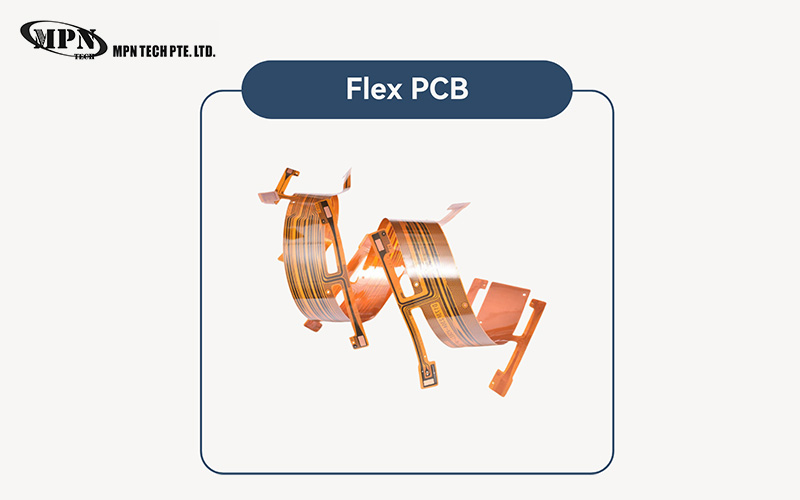
- Choose flex PCBs for compact devices that require bending or movement, such as wearables, sensors, and foldable gadgets. Opt for rigid-flex PCBs when you need both strength and flexibility, especially in complex systems like medical, aerospace, or automotive applications.
- Flex PCBs excel in tight spaces and can fold or twist to fit multi-dimensional layouts. Rigid-flex designs offer structural support where needed while maintaining flexibility, improving reliability and reducing wiring errors.
- Flex PCBs are adaptable but may wear out faster under stress or extreme conditions. Rigid-flex PCBs are more durable, resisting vibration, fatigue, and temperature changes, which are well-suited for prototypes and research builds.
- For low-quantity or simple designs, flex PCBs are more cost-effective. Rigid-flex PCBs cost more initially but save time and reduce assembly needs in long-term or complex projects.
- Flex PCBs are simpler to fabricate in basic layouts but require precision for high-density circuits. Rigid-flex PCBs involve a more complex process with extra lamination and alignment steps, resulting in longer lead times but greater overall performance and reliability.
Introduction
Flex and rigid-flex PCBs (Printed Circuit Boards) play a part in powering today’s innovative electronic designs. Unlike traditional rigid boards that are limited by space constraints and mechanical stress, these advanced PCBs offer adaptability, strength, and reliability. Their ability to bend, fold, and integrate seamlessly into compact enclosures allows engineers to create smaller, lighter, and more efficient devices.
For professors and students working on experimental builds or one-off prototypes, understanding the difference between a flex PCB and a rigid-flex PCB is essential. This guide breaks down how each type works, its unique advantages, and how to choose the best option for your next project.
Choosing Between Flex and Rigid-Flex PCBs: What to Assess?
1. Consider the Application Needs
Every project begins with a purpose. Flex PCBs are designed for applications where space is limited and movement is required. They are commonly used in devices that lack the room for traditional rigid circuit boards or include components that need to bend or flex during operation. In compact electronics such as wearable devices, cameras, sensors, and foldable gadgets, internal space is often extremely tight. The bendable and lightweight design of flex PCBs makes them ideal for these applications.
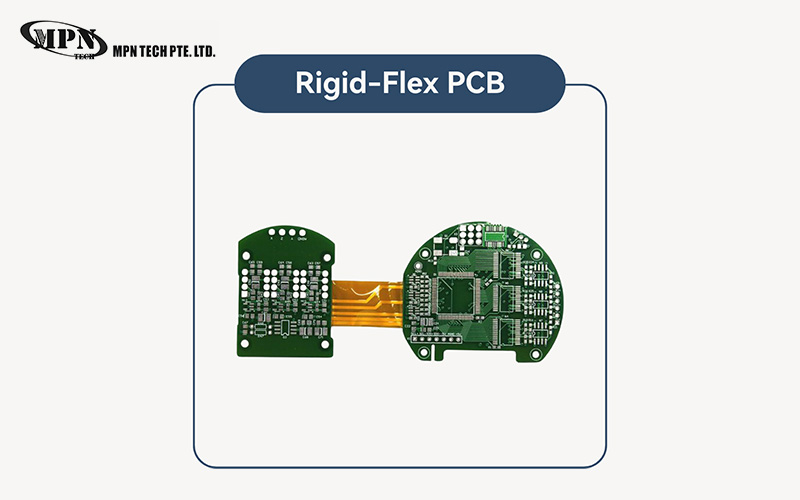
In contrast, rigid-flex PCBs combine the best of both worlds. They come with a rigid base for strength and a flexible section for dynamic connections. This hybrid design works in complex applications like medical instruments, aerospace modules, and automotive control systems. The rigid areas ensure component stability and mechanical strength, while the flexible sections reduce the need for connectors and cables, minimising potential points of failure.
2. Evaluate Space Constraints and Design Flexibility
When dealing with limited space, flex PCBs offer an effective and reliable solution. They allow multi-dimensional layouts that can fold, twist, or wrap around tight corners without sacrificing electrical performance. This makes them popular in compact electronic prototypes, especially those that need internal wiring minimised.
A pcb rigid-flex setup, on the other hand, offers more structured flexibility. The rigid areas support components that need stability, while the flexible areas link them seamlessly. This results in efficient designs that reduce wiring errors and enhance signal reliability.
3. Durability and Environmental Considerations
Durability is where the trade-off begins. Flex PCBs are versatile, offering excellent adaptability in compact and moving designs. However, their thin and flexible structure also makes them more vulnerable to mechanical stress, such as repeated bending, twisting, or vibration. Environmental factors like excessive heat, humidity, or exposure to chemicals may also affect their performance over time.
Meanwhile, rigid-flex PCBs feature superior resilience. By integrating flexible and rigid sections, they resist vibration, bending fatigue, and temperature fluctuations far better than purely flexible boards. This robustness is useful for students and researchers developing devices that require frequent handling or movement. Research prototypes are often connected, adjusted, and reconfigured as experiments progress. The durability of rigid-flex PCBs helps prevent common issues like circuit damage, broken traces, or connector failures during repeated use.
4. Cost and Production Volume
Budget and volume often determine the final choice, especially in research and prototyping. Flex PCBs are generally more cost-effective for low-quantity or simple designs. However, as complexity or volume increases, production costs may rise due to the specialised techniques required by a flex PCB manufacturer.
In contrast, rigid-flex PCBs usually cost more upfront due to their complex design and manufacturing process. However, their reliability and versatility can reduce the need for extra connectors, cables, or assembly work. This efficiency not only simplifies production but also offsets costs in long-term or advanced research projects. For low-volume academic builds, investing in a rigid-flex prototype can save time and improve consistency across tests.
5. Manufacturing Complexity and Lead Time
Ease of fabrication is another factor to consider when choosing between a flex and rigid-flex PCB. Flex PCBs are relatively simple to produce in straightforward designs, as they often require fewer layers and use flexible base materials like polyimide. Nonetheless, when a project involves high-density routing or multiple complex layers, the manufacturing process may involve precise etching, lamination, and other intricate steps to ensure reliability.
Rigid-flex PCBs take this complexity a step further. Combining rigid and flexible substrates means additional lamination cycles and careful material alignment. This can extend lead times, but the result is a robust, compact, and integrated solution.
How to Choose the Right PCB for Your Research
For students and professors in Singapore focusing on innovation and prototype development, the choice between flex and rigid-flex PCBs depends on your project’s needs:
- Choose flex PCBs when space, weight, and movement are top priorities.
- Choose rigid-flex PCBs when durability, complexity, and long-term reliability are critical.
Both offer unique advantages that push the boundaries of design and performance. By evaluating your application, environment, and production goals carefully, you can create efficient prototypes that are both functional and forward-thinking.
At MPN Tech, we specialise in precision PCB solutions for research, prototyping, and low-volume builds. Seeking a single rigid-flex PCB for testing or a small batch of flex PCBs for your next academic project? Our team ensures every circuit is manufactured with accuracy and care.
Contact us to transform your design concept into a fully functional prototype.
 MPN Tech