
An Introduction to PCB Design: What It Involves and How It Optimises Electronics Performance
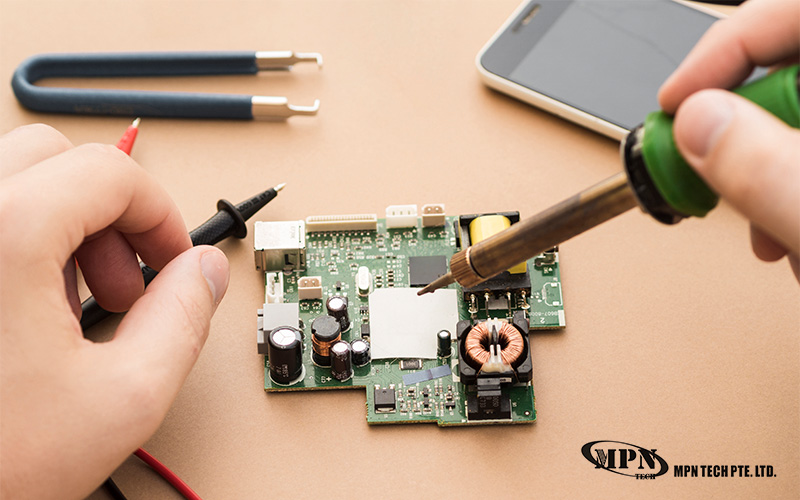
From consumer gadgets to advanced industrial systems, modern electronics rely on carefully engineered Printed Circuit Boards (PCBs) to function reliably. As devices become smaller, faster, and more complex, PCB board design plays a key role in ensuring performance, reliability, and long-term durability. In this article, we examine what the PCB board design process involves and how it supports the development of high-performing electronic systems.
How PCBs and PCBAs Drive Innovation in Electronics Manufacturing
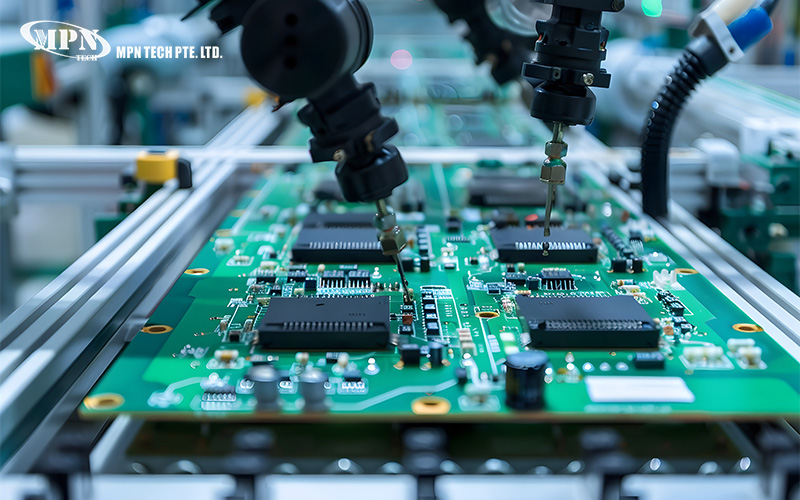
The Printed Circuit Board (PCB) and Printed Circuit Board Assembly (PCBA) form the backbone of electronic innovation. Serving as both the mechanical support and electrical link for components, they make it possible to design devices that are more compact and reliable. From laboratory prototypes to industrial systems, PCBs and PCBAs enable the precise electronic component integration and efficient embedded system design. This article examines the role of PCBs and PCBAs in advancing electronics manufacturing.
What to Consider When Choosing Flex and Rigid-Flex PCBs
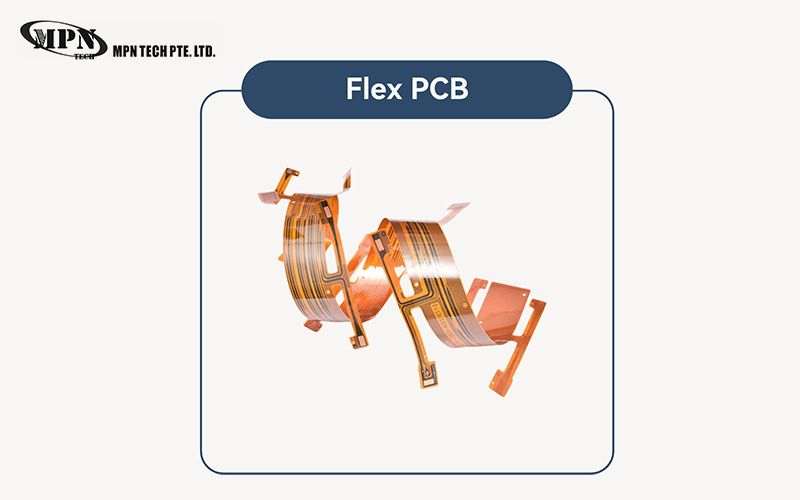
Flex and rigid-flex PCBs (Printed Circuit Boards) play a part in powering today’s innovative electronic designs. Unlike traditional rigid boards that are limited by space constraints and mechanical stress, these advanced PCBs offer adaptability, strength, and reliability. Their ability to bend, fold, and integrate seamlessly into compact enclosures allows engineers to create smaller, lighter, and more efficient devices. This guide breaks down how each type works, its unique advantages, and how to choose the best option for your next project.
Best Practices for PCB Component Sourcing
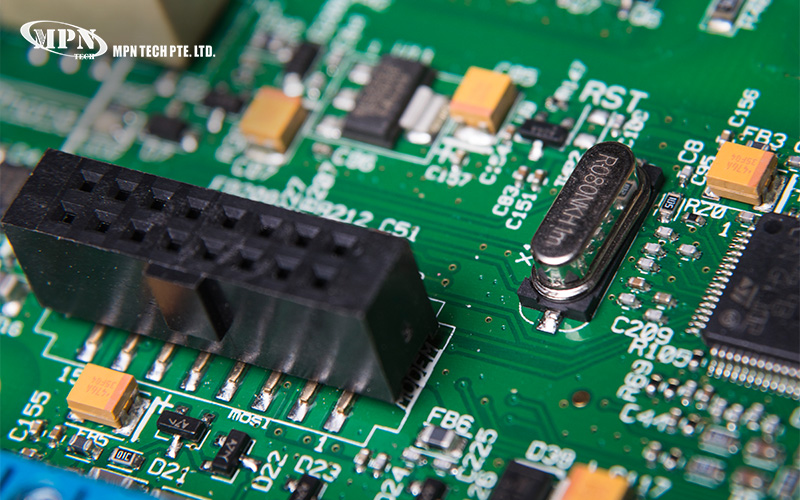
Printed circuit board (PCB) component sourcing is a key step in ensuring the quality, performance, and timely delivery of electronic projects. The process focuses on finding the right parts for your PCB while maintaining their quality and reliability. It also involves working with trusted suppliers, keeping costs in check, and managing supply chain risks. In this article, we share the best practices for sourcing so you can simplify procurement and avoid common pitfalls in creating electronic designs.
What Are IPC Standards and Why Do They Matter in PCB Manufacturing?
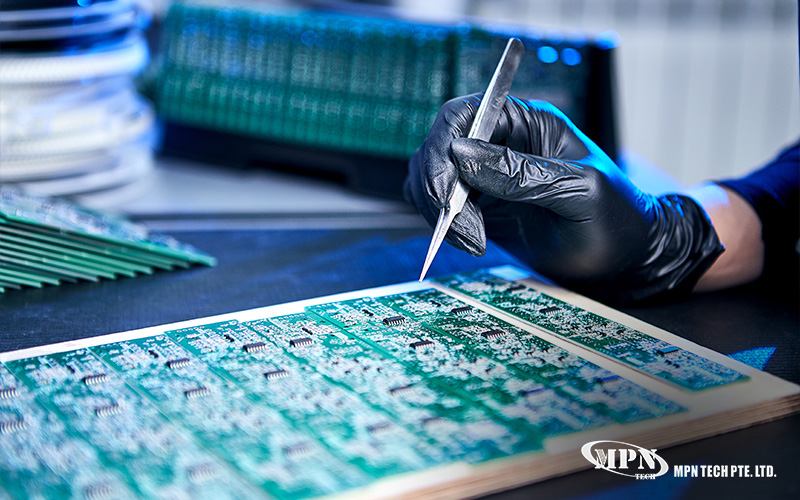
From smartphones to satellites, modern life runs on electronics. Driving all this innovation is the printed circuit board (PCB), quietly working behind the scenes to link and power the components that keep devices running smoothly. However, building a reliable PCB doesn’t happen by chance. It requires strict adherence to a universal playbook: IPC standards. Let’s discover how these guidelines support manufacturers in building electronics that work flawlessly from the inside out.
What Are Prototype Circuit Boards? Types, Uses, and How to Choose the Right One
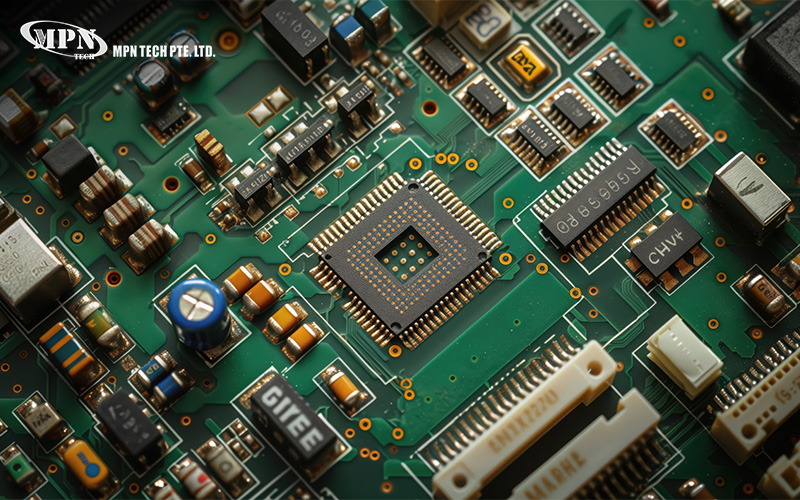
Prototype circuit boards are essential tools used to build, test, and refine electronic circuit designs before final production. By using a prototype circuit board, designers can experiment safely, identify problems early, and make improvements before investing in final production. This article explains what a prototype circuit board is, the different types available, their common uses, how they work, and how to choose the right one for your project.
 MPN Tech