
Key Takeaways:
What are the Benefits of Turnkey PCB Assembly?
- End-to-End Management: A single provider simplifies the process for users by
- manages all stages of PCB production.
- Time Efficiency: Consolidating all steps under one provider leads to faster turnaround times.
- Cost-Effectiveness: Turnkey assembly reduces overall costs by bundling all services.
- Rigorous Quality Assurance: Ensures reliability through various built-in quality control measures.
Introduction
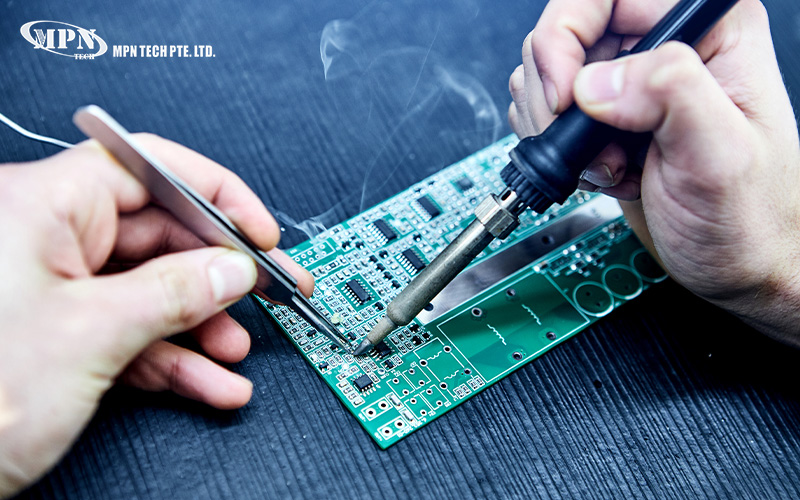
Turnkey PCB assembly refers to a comprehensive process where a single provider manages everything from start to finish. This includes PCB design, component sourcing, fabrication, electronic PCB assembly, testing, and final delivery. Thanks to this approach, researchers, students, and developers can now assess PCB solutions without having to manage multiple vendors or production steps.
How exactly does the solution support its users? This article will discuss its importance in streamlining production and ensuring quality.
Why Is Turnkey PCB Assembly Important?
This full-service solution combines end-to-end PCB assembly with professional oversight, benefiting those who need reliable electronics manufacturing services without the burden of managing production logistics.
1. End-to-End Solution
Turnkey providers handle the entire lifecycle of the PCB, from sourcing certified components to final functional testing. This eliminates the need to juggle multiple contractors, greatly reducing the risks of miscommunication or misalignment across stages.
That said, users do not have to coordinate separately with component suppliers, board fabricators, and technicians—saving time and avoiding costly errors. For professors managing research budgets or students working under time constraints, this advantage can enhance project control and clarity.
2. Time Efficiency
When one provider oversees the entire production process, turnaround times are often faster. In academia and research and development (R&D), speed is crucial for meeting grant deadlines, securing patents, or completing time-sensitive experiments.
A turnkey solution enhances PCB production efficiency by moving designs from concept to prototype much faster. With every centralised step of the process, from design, sourcing, fabrication, assembly, to testing, the solution eliminates delays caused by vendor handovers, miscommunication, and inconsistent timelines.
3. Cost-Effectiveness
By consolidating multiple stages, from component sourcing and manufacturing to testing, under a single provider, turnkey electronics solutions can reduce overall production costs. This cost-effectiveness is ideal for academic and research projects that require low-volume PCB assembly for prototypes or experiments.
As turnkey providers handle all aspects of production in-house, costs are bundled into a single, transparent quote. This allows researchers and students to benefit from a predictable pricing structure by avoiding unexpected third-party expenses.
4. Quality Assurance
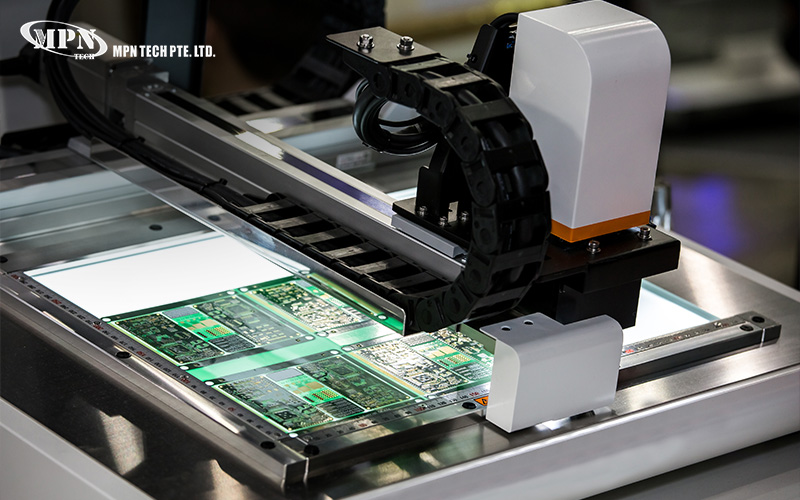
One of the most valuable aspects of turnkey PCB assembly is its built-in quality control. Reputable PCB assembly providers in Singapore follow strict testing protocols, including automated optical inspection (AOI), X-ray testing, and functional testing. Every component and connection is verified for performance and compliance, ensuring a high standard of reliability.
Why Does It Matter in the Singapore Context?
Singapore’s reputation as a regional hub for research, education, and technology makes turnkey PCB assembly particularly relevant. Institutions across the island are actively engaged in advancing various fields, including electronics, robotics, biomedical devices, and IoT applications.
For such advancements, access to reliable, fast, and scalable electronic PCB assembly services is necessary. Turnkey solutions simplify the process, so innovators can focus on development, testing, and refinement without being bogged down by production logistics.
MPN Tech Assembly is a trusted provider of PCB fabrication services in Singapore. Combining technical expertise with both manual and machine assembly, we deliver precision-built electronics with fast turnaround times.
Contact us today to get started.
 MPN Tech